
Walking Alongside:Why We Built Town


Humans are wired for connection. It shapes who we are, holds us together when things fall apart, and gives life most of its meaning. And decades of research keep landing on the same finding: the quality of our relationships predicts our health and happiness better than almost anything else.
This human need for connection is so deep that we reach for it with our imagination.

Exploring Calvin and Hobbes
Copyright © Bill Watterson

Mickey Mouse in Steamboat Willie (1928)
Walt Disney knew this. Mickey Mouse wasn't a product. He was someone you could love, someone who made the world feel less alone. For a generation of kids, Hobbes was the friend who turned an ordinary afternoon into an expedition: a companion only Calvin could really see. The Harry Potter universe's Patronus is a guardian you conjure out of your happiest memory, summoned to stand between you and the dark. And of course, JARVIS knew Tony Stark better than almost anyone else did.
Different shapes, same need: companions who know you, have your back, and make sure you never have to face any of it alone.
None of this is new — it's the oldest human want there is. What's new is that with AI we can finally build it.
AI and You
The relationship between a person and their AI is the most important design problem of this decade in technology.
The hard problem isn't the model or the benchmarks. It's the relationship.
What matters in the long run is never technology's raw capability, it's how it fits into a human life, how essential and helpful it becomes day to day. The computer found us at the desk and expanded what we could create and accomplish. The smartphone was a computer we could take everywhere, further connecting us to the world and all of its information.

The Daimon
Ancient Greece
Shikigami
8–9th Centuries


Familiars
13–17th Centuries
Mechanical Servants
Industrial Era
The Tin Man, Wizard of Oz © Warner Bros


Friendly Appliances
Mid-20th Century
Rosie the Robot, the Jetsons © Warner Bros
Interface Entities
Late 20th Century
Clippy © Microsoft

Disembodied Intelligence
Today
The Daimon
Ancient Greece
Shikigami
8–9th Centuries
Familiars
13–17th Centuries
Mechanical Servants
Industrial Era
The Tin Man, Wizard of Oz © Warner Bros
Friendly Appliances
Mid-20th Century
Rosie the Robot, the Jetsons © Warner Bros
Interface Entities
Late 20th Century
Clippy © Microsoft
Disembodied Intelligence
Today
We believe that for AI, the winner will be the product that manifests as a relationship more than a technology. A companion who walks alongside you, facing the same direction, striving toward the same goals, helping you every step of the way.
That's what we set out to build with Town.
Meet Your Townie
Town is a personal AI assistant. But "assistant" doesn't quite capture it.
Your Townie (what our early users affectionately call their assistant) starts by learning from the work you've already done. It reads how you write, noticing that your emails to your team are casual and direct, your emails to clients warmer and more structured. It maps your people, picks up your patterns. The recap you always send after calls. The way you handle scheduling. You don't teach it any of this. Your Townie learns by watching you work, and then starts doing the work the way you would.
No two Townies are alike. Because no two people are.
doug@town.com


sunny@town.com

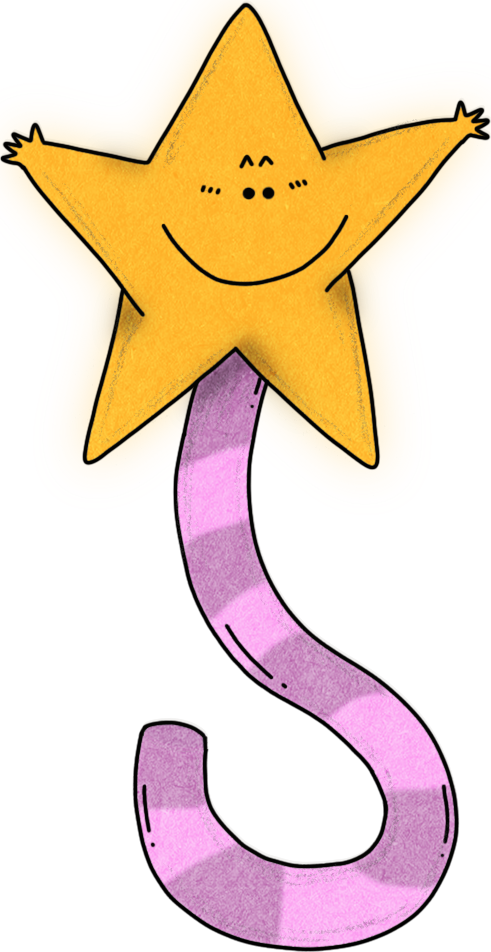
claus@town.com

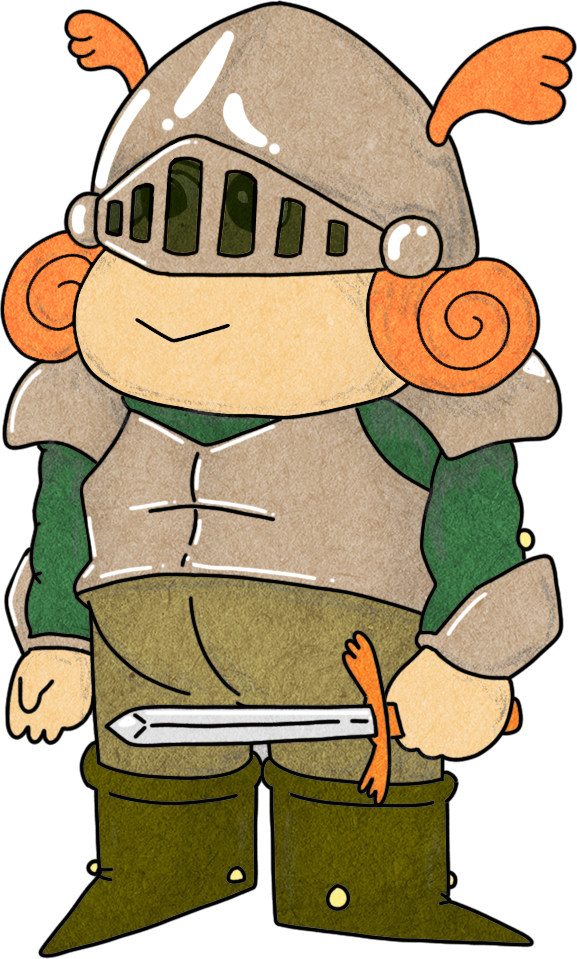


bud@town.com

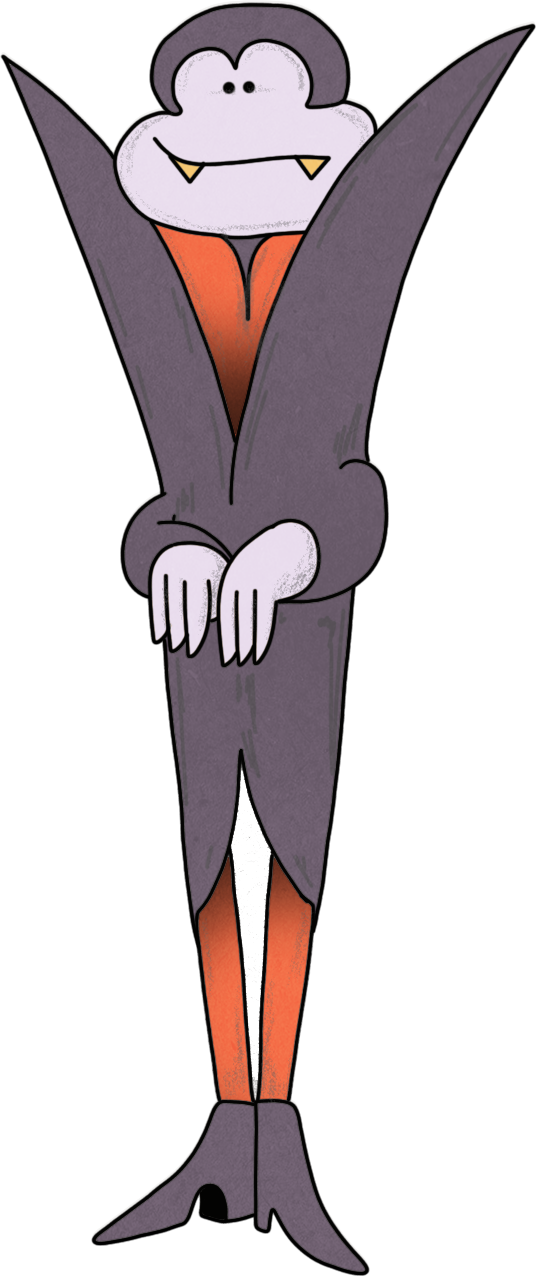
bram@town.com
doug@town.com
bud@town.com

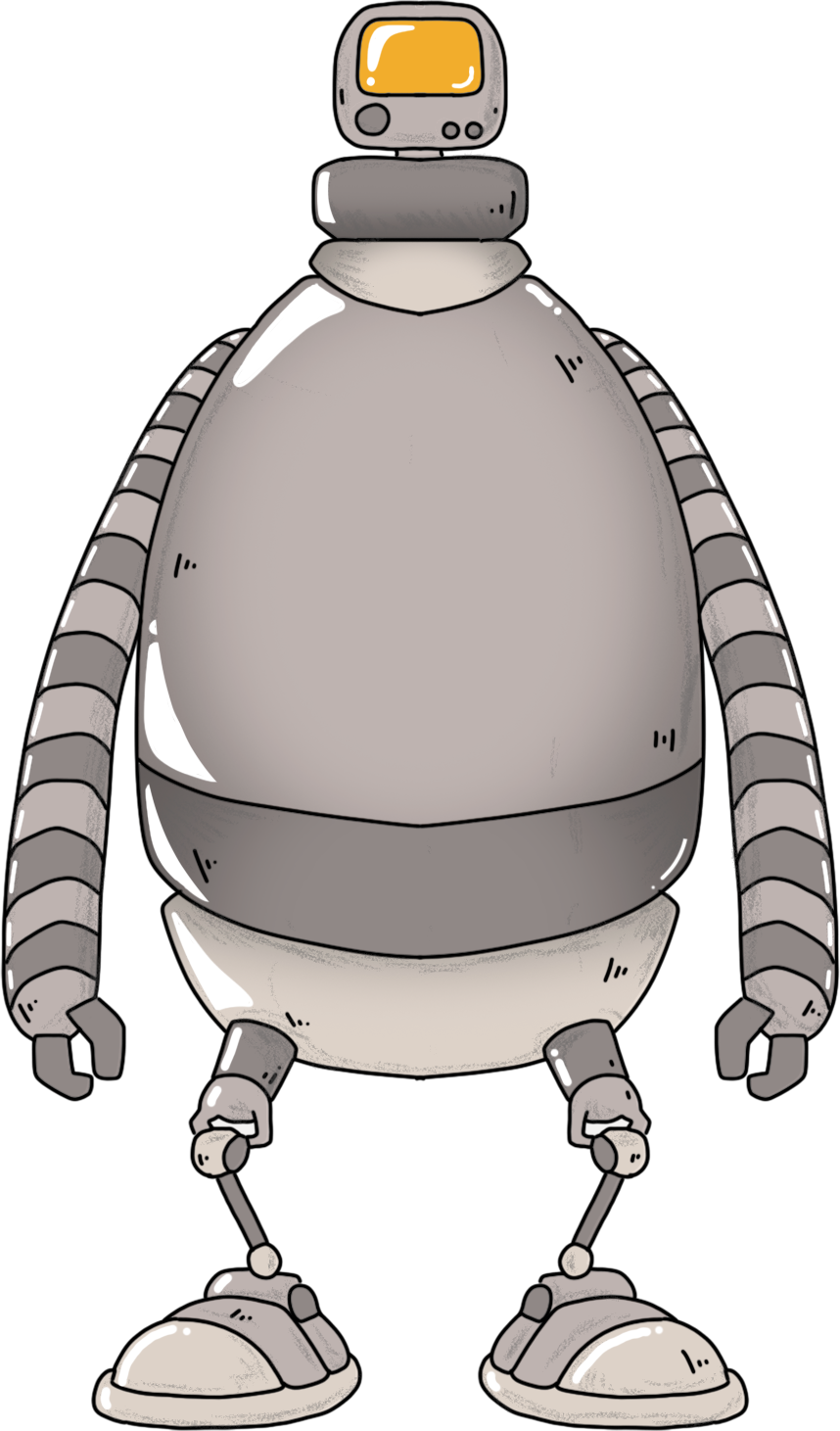
norm@town.com
sunny@town.com
bram@town.com
doug@town.com
bud@town.com

olive@town.com
claus@town.com
norm@town.com
sunny@town.com
This is why we gave Townies names and faces, one of our earliest and most deliberate design decisions. Give it a name and it stops feeling like a tool you operate. It starts feeling like someone you collaborate with.
Your Townie works for you. Just you. The relationship is private, and entirely in your interest.
An Assistant for Every Person
Right now, AI is a privilege. It overwhelmingly rewards the people who already understand the technology: developers, power users, early adopters willing to invest hours in prompts and configurations.
When products put the burden on you, the user, to figure out how to use AI (Here's a model. Here's a chat box. Good luck!), the result is predictable: the people who benefit are the ones already technical enough to make it work. That's backwards. The people who need help most are the ones least likely to have time to figure out how AI works. We want to change that.

Norm draftsElle’sMorning Briefing.
 Elle’s
Min draftsChris’sclient proposals.
 Chris’s
Town is for the executive coach tracking 15 client relationships across email and calendar. The SMB owner running everything with a small team of 15 people. The teacher with a dozen parent emails who needs each one answered in their own voice, without spending their entire evening on it. The busy mom or dad juggling half a dozen extracurricular activities for their kids.
These are the people we're building for. The only way to reach them is to do the hard work for them, to make the technology so intuitive, and so woven into the way they already work, that they never have to think about "using AI." They just have a Townie. And their Townie handles it.
The best technology doesn't ask you to learn it. It learns from you and helps you.


